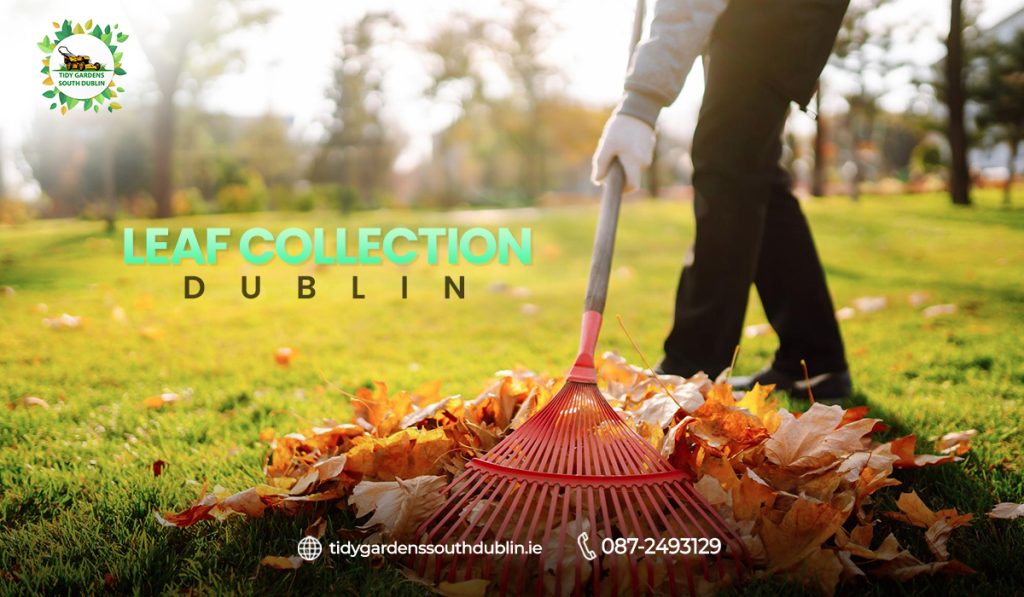
Removing dry leaves from the garden is a crucial task for maintaining a beautiful, healthy, and well-maintained environment. Accumulated leaves can suffocate grass, hinder plant growth, and even attract pests and diseases. Furthermore, a clean and organized garden provides better aesthetics and facilitates maintenance throughout the seasons. By implementing effective Leaf Collection strategies in Dublin, you reduce the amount of green waste generated and also increase the curb appeal of your garden. For this reason, this service has become a practical and effective alternative for maintaining gardens in excellent condition.
In this blog, you will learn the best strategies for efficiently removing dry leaves from your garden, as well as tips for keeping the space clean and healthy.
Types of Garden Plant Waste
Garden waste is classified according to its origin and characteristics:
- Pruning waste: branches, leaves, and stems from trees, shrubs, and hedges.
- Lawn waste: grass cut during the maintenance of lawns and meadows.
- Fallen leaves: accumulation of dry leaves during autumn.
- Crop residues: stems, roots, and leaves left after the harvesting of vegetables and fruits.
- Fruits and seeds: remains of ripe, damaged, or undeveloped fruits that fall from trees.
The Importance Of Collecting Leaves
Several types of damage caused by fallen leaves lead us to collect them:
They can suffocate the lawn in winter, due to a lack of air and light, although many of them are driven away by the wind.
The often damp and warm carpet of leaves attracts harmful insects as well as plant diseases.
Leaves that remain on the ground in winter can also destroy a lawn or even cause large, particularly unsightly yellow patches.
At the base of plants, however, it can be beneficial to leave dead leaves, which then act as natural protection against frost and for the soil. As they decompose, the leaves turn into humus, thus nourishing the soil.
Why Leaf Collection Is An Essential Autumn Ritual?
Autumn is a beautiful season when trees don their most vibrant colors, creating a spectacular landscape. However, this season also brings chores, including leaf raking. While this activity may seem tedious, it is crucial for the health of your garden and the environment.
[1] Protecting Your Lawn and Plants:
Leaf collection is essential to protect your lawn and plants. Fallen leaves can smother grass growth by blocking sunlight and trapping moisture. This creates an environment conducive to fungal diseases, which can lead to bare patches in your lawn. Additionally, leaves can smother perennials and bulbs by depriving them of the light they need to grow and bloom.
[2] Avoiding Hidden Dangers:
Beneath a carpet of leaves, many dangers can lurk. Wet leaves become slippery and can cause falls, potentially resulting in injuries. Furthermore, piles of fallen leaves can conceal sharp objects. By regularly raking leaves, you reduce these potential hazards to yourself, your family, and your pets.
[3] Encouraging Biodiversity:
Contrary to what one might think, raking leaves can encourage biodiversity in your garden. By using fallen leaves to create compost or allowing them to decompose naturally, you provide a nutrient-rich habitat for beneficial microorganisms and insects. These organisms play a vital role in soil health and promote greater species diversity in your garden.
[4] Creating Rich Compost:
Fallen leaves are valuable organic matter for compost. By composting them, you create a nutrient-rich, natural fertilizer for your plants. The leaves also add organic matter to the soil, improving its structure and water retention capacity. This means you will need less water to water your garden, which is both environmentally friendly and economical.
[5] Pollution Reduction:
Leaving fallen leaves on your lawn or blowing them into the street can contribute to water pollution. As leaves decompose, they release nutrients into the water, which can lead to algae blooms and other environmental problems. By collecting leaves and using them responsibly, you help reduce water pollution and protect aquatic ecosystems.
[6] Outdoor Exercise:
Collecting leaves can also be an opportunity to exercise outdoors and enjoy the beauty of autumn. It’s a moderate physical activity that can benefit your health and well-being. Breathing fresh air and enjoying nature can also have positive effects on your mood and energy levels.
After Collecting The Leaves, How To Keep The Garden Clean And Fresh?
Removing fallen leaves is only one part of general garden maintenance. To keep your garden clean and beautiful, follow these tips:
1. Perform Regular Cleanings
Don’t wait for a large amount of leaves to accumulate before cleaning. Creating a weekly or bi-weekly routine for removing leaves can make the job easier and prevent excessive buildup.
2. Use Natural Barriers
If the wind scatters a lot of leaves across your garden, consider creating natural barriers, such as hedges or shrubs, to reduce the impact.
3. Choose Trees That Shed Few Leaves
If you are planning the landscaping of your garden, choose trees that shed fewer leaves throughout the year. Evergreen species, such as pines and cypresses, can be good options.
4. Cleaning Gutters and Drains
Dry leaves can clog gutters and drains, causing drainage problems. Be sure to clean these areas periodically to prevent water and debris from accumulating.
Conclusion
The garden waste collection service is a comprehensive solution designed to meet the needs of our customers. With a focus on efficiency, safety, and sustainability, Tidy Gardens South Dublin guarantees a high-quality service. By choosing our service for Leaf Collection Dublin 14, South Dublin & Dublin 18, you can be sure that your home will be managed professionally and responsibly.
Our commitment to the environment and the community sets us apart as the ideal choice for waste management. With the experience and dedication of our team, we ensure optimal results at every stage of the process. This includes everything from the initial assessment to the final removal and recycling of the waste. We make sure that every project receives the personalized attention it deserves. For more details, get in touch with us!