
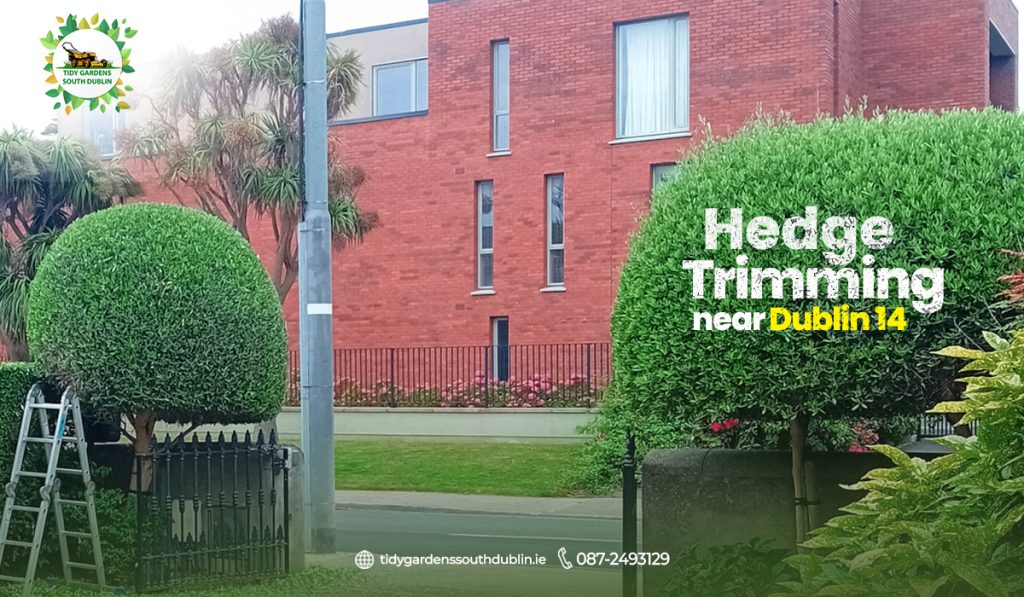
A neat hedge is always praiseworthy. It makes a garden look fresh and cared for. It also keeps the plant healthy and strong. But a bad cut can leave the hedge uneven. It can leave bare patches too. Sometimes the leaves even turn brown. The right timing matters. So does the right tool, the right shape, and how much you cut.
This is why it is a wise idea to put the responsibility in the hands of a professional team for hedge trimming near me in Dublin 14. With the right skills and tools, a professional team can trim, shape, and maintain your hedge with care. They can help you achieve a clean, even, and attractive finish while reducing the risk of damage to your plants.
This piece of writing walks through eight mistakes people often make when trimming a hedge, and simple ways to avoid each one.
Eight Mistakes That Ruin a Good Hedge Trim
A neat hedge can make your whole garden look better. A poor trim can do the opposite. Many hedge problems come from a few simple mistakes. These mistakes are easy to make, but also easy to avoid when you know what to look for. Here are eight common mistakes to watch out for when trimming your hedge.
1. Trimming at the Wrong Time
Timing matters more than most people think. Cut at the wrong time, and the plant feels the stress. New growth can suffer too. The best time to trim depends on the type of hedge you have. Some hedges need cutting often. Others barely need touching. Flowering hedges need extra care, since a badly timed cut can remove the flowers before they even open. So, check your hedge type first. That one step makes a real difference.
2. Cutting Off Too Much at Once
This is an easy mistake to make. The hedge looks overgrown, so it is tempting to cut deep and fast. But a heavy cut weakens the plant. It can leave thin patches and brown spots that take a long time to fill back in. If your hedge really needs a big trim, go slowly instead. Cut a little, then stop and look. You can always cut more later. You cannot glue a branch back on. Small, steady cuts keep the hedge fuller and give it a cleaner shape in the end.
3. Making the Top Wider Than the Bottom
The shape of a hedge changes how it looks and how it grows. A common error is cutting the top wider than the bottom. This blocks sunlight from reaching the lower branches. Over time, the bottom of the hedge turns thin and bare. For most formal hedges, a narrower top and a wider bottom work far better. Light reaches every part of the plant this way, and the shape looks more balanced too. Step back often while you trim, and check the shape from a distance, not just up close.
4. Leaving Wavy or Uneven Lines
An uneven top or crooked sides make a hedge look messy fast. This usually happens when there is no clear guide to follow while cutting. If you want straight, formal lines, mark the height before you start. A string line or a simple guide helps keep the top level from one end to the other. Work in small sections. Step back and check often. A whole-hedge view, from a few steps away, makes it much easier to spot spots that are too high, too low, or too wide.
5. Using Blunt or Poorly Kept Tools
Tools for hedge trimming near me in Dublin 14 matter more than people expect. A blunt blade does not cut cleanly. It tears leaves and small branches instead, and that leaves the hedge looking rough and damaged. Before you begin, check that your trimmer and hand tools are clean and sharp. Use a tool suited to the size of the hedge. Sharp, well-kept tools make the job easier and give a much smoother finish.
6. Ignoring the Hedge’s Type and Condition
Not every hedge should be treated the same way. Different plants grow differently and need different care. A young hedge often needs shaping to help it grow into a good form. An older hedge usually needs a gentler, more careful touch. Check the health of the plant before you cut. The parts that may be weak or broken should be paid special attention to, but should not be heavily trimmed. Knowing your hedge before you do any trimming will ensure good results.
7. Trimming Too Often, or Not Often Enough
Regular trims keep most hedges neat. But trimming too often is not always a good thing either. On the other hand, leaving a hedge alone for too long makes it much harder to control later. Fast-growing hedges need more frequent care. Slower ones need less. The look you want also plays a part. A formal hedge usually needs more regular trims than a natural, relaxed hedge. A simple plan, followed through the year, keeps the height, width, and shape under control.
8. Forgetting Safety Around the Hedge
Hedge trimming involves sharp tools and, sometimes, awkward branches or tall growth. Before you start, look at the space around the hedge. Make sure that there are no wires, fences, furniture, or any obstructions to work around. Exercise great caution when trimming a tall hedge since it is crucial to identify whether there are any birds or other animals nesting in it. It is an important precaution that ensures safety during the entire process.
How to Trim a Hedge to Ensure a Tidy Appearance
First, determine the desired height and shape of your hedge. Look at the whole hedge before making a single cut. Trim the sides first, then move to the top. Keep the top a little narrower than the bottom, where the hedge type allows it. Work in small sections, and check your progress often. Do not rush to remove large amounts of growth in one go. A clean finish comes from small, careful cuts, not one heavy pass. Once you finish, walk around the hedge and check it from a few different angles. Fix any uneven spots you find.
Why Professional Hedge Trimming Can Help
Hiring someone for hedge trimming near me in Dublin 14 is not just about making it shorter. A good service looks closely at the hedge first: its health, its size, its shape, and how it grows. From there, the team picks a cutting method suited to that particular hedge and works toward an even finish. This is especially useful for a hedge that is tall, wide, old, or badly overgrown. Getting help also saves your own time and lowers the risk of damage from a rushed or careless cut. A good service should also clear away the cuttings afterwards and leave the garden tidy.
How to Choose the Right Hedge-Trimming Team
Before you hire anyone, look at their past work and read reviews from other customers. This gives you a good sense of the finish to expect. Ask if they have handled the type of hedge growing in your garden. Check that they use proper tools, follow safe working practices, and carry the right insurance. A clear quote matters too. Make sure you know exactly what is included, especially cutting height, tricky access, and waste removal. A good team should also be able to explain how regular trims will keep your hedge looking its best.
How Often Should You Trim Your Hedge?
The right schedule depends on the plant, how fast it grows, and the look you are aiming for. A formal hedge often needs light, regular trims to keep its straight lines and even shape. A natural hedge usually needs far less attention. It helps to keep an eye on the growth as you go, rather than waiting until the hedge gets completely out of hand. Regular care makes each trimming job quicker and easier. It also helps you avoid the kind of heavy cutting that can leave a hedge thin or damaged.
What If Your Hedge Turns Brown After Trimming?
Brown leaves after a trim can come from a few different causes. Cutting too much, trimming at a poor time, or cutting into old wood can all affect how the hedge looks afterwards. Hot, dry weather adds extra stress on top of that. If you see large brown or bare patches, hold off on more heavy cutting until you understand the cause. A close look at the plant can guide what care it needs next. When the cause is not clear, it is worth asking a professional for advice before the damage spreads further.
Conclusion: Plan for a Professional Team
A well-kept hedge can change the whole feel of a garden. The right shape, clean lines, careful cuts, good tools, and steady care all work together to keep it looking its best through the year. If your hedge is tall, overgrown, awkward to shape, or simply needs regular attention, getting professional help can take the pressure off.
In this regard, you can rely on us- we are Tidy Gardens South Dublin. Our crew are very efficient and offers exactly this kind of careful, attentive hedge care. Our professionally planned trimming protects the hedge and helps it keep its shape. As a popular name for hedge trimming near me in Dublin, Dublin 18 & South Dublin, we are always ready to provide you with our customised regular care. This is necessary for your garden condition and plant types. To keep a garden looking clean and well looked after, contact us soon and see the difference.
